







Search Results for: rising freight costs
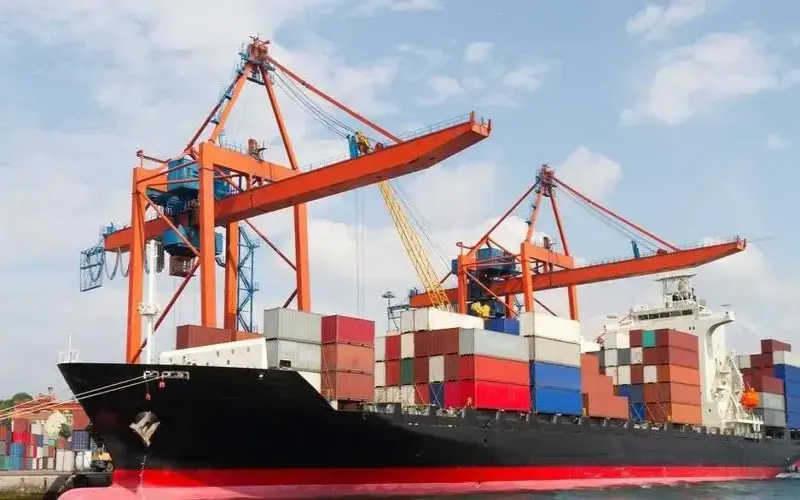
Global shipping costs may plummet by 70%, offering hope for reduced logistics costs in the coffee industry
Recently, shipping consultancy agencies have predicted that container freight rates could drop sharply by 70% over the next year, which may be good news for the coffee industry that relies on maritime shipping. Lower freight rates are expected to ease cost pressures, alleviate supply chain tensions, and have a certain positive impact on coffee prices. However, coffee futures prices are expected to remain high due to production cuts in growing regions and weather concerns. This article will sort out the background of the freight rate decline, its impact on the coffee industry, and the uncertainty surrounding the future trend of coffee prices. [more…]

Is Micro-Lot Coffee Always Higher Quality? Decoding the Unique Flavors of Costa Rica's Musician Series Mozart
Micro-lot coffee is often labeled as high quality, but is it necessarily superior to regular lots? This article examines the true positioning of micro-lot coffee from the perspectives of transportation costs, estate production logic, experimental processing, auction selections, and private customization. At the same time, using the Costa Rica Musician Series Mozart as an example, it introduces the flavor performance of this raisin honey-processed micro-lot from Front Street Coffee's bean list, and analyzes the differences between air-freighted lots and sea-freighted lots, helping coffee enthusiasts view the concept of micro-lots rationally. [more…]
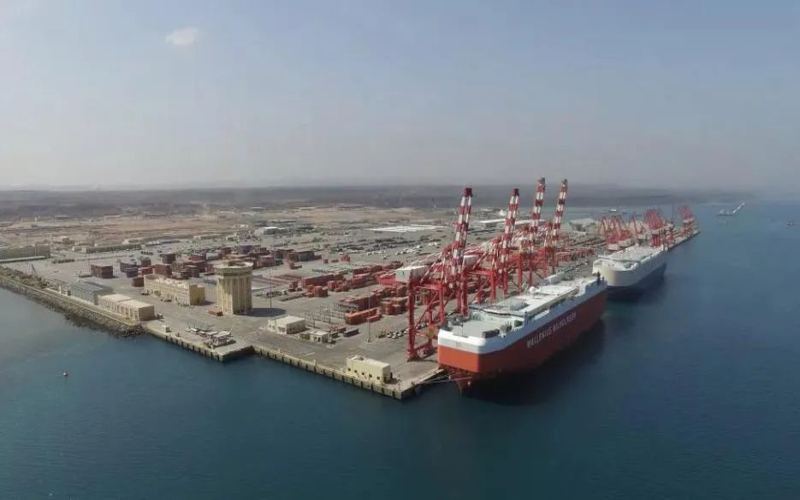
Ethiopia Joins Forces with Djibouti to Strengthen Logistics Corridor, Red Sea Tensions May Affect Coffee Export Costs
As a landlocked country, Ethiopia's foreign trade is highly dependent on the Port of Djibouti. Recently, logistics industry organizations from both countries met in Addis Ababa to discuss deepening cooperation, with plans to sign a memorandum of understanding to establish a formal communication mechanism. However, the security situation in the Red Sea region continues to deteriorate, with Houthi armed forces frequently attacking merchant ships. Several shipping companies have announced freight rate increases for November, putting cost pressure on the coffee industry, which relies on maritime transport. The volume and logistics costs of Ethiopia's coffee exports may be affected in the short term, while the conflict in the north of the country is driving up prices and increasing production expenses. This article will review the progress of logistics cooperation, the dynamics of the Red Sea situation, and their potential impact on the coffee trade. [more…]
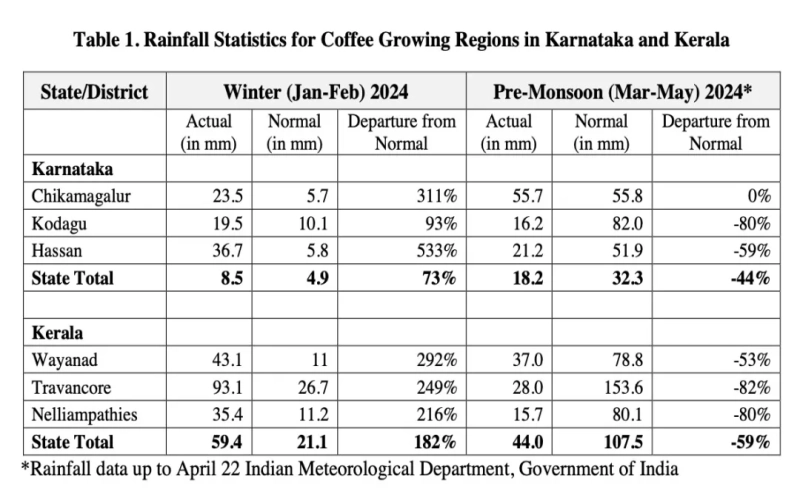
India's New Crop Coffee Production Estimated to Stabilize, Water Shortages and Red Sea Shipping Crisis Will Still Weigh on Exports
The latest India coffee annual report released by the United States Department of Agriculture shows that India's total coffee production for the 2024/25 marketing year is forecast at about 6 million bags, including about 1.4 million bags of Arabica and about 4.6 million bags of Robusta, remaining broadly stable overall. However, the outlook for the crop season is not optimistic: after heavy rains from January to February, many regions saw insufficient rainfall from March to May, and combined with groundwater overexploitation and climate change, India is facing a severe water shortage crisis, with fruit set rates in major producing areas falling sharply. At the same time, continued tensions in the Red Sea have pushed up freight rates on Asia-Europe routes, and with international coffee prices at a decade high, India's coffee exports face triple pressure from weather, shipping and prices. This article will combine the latest data to sort out India's coffee supply and demand structure and the risks ahead. [more…]
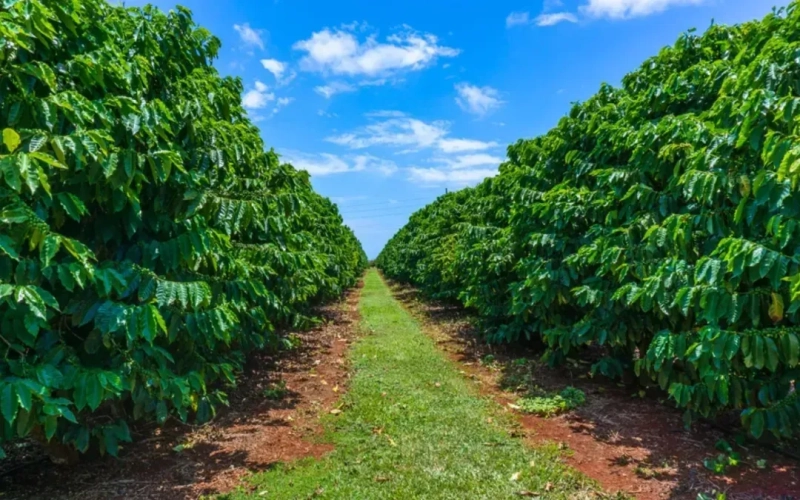
Frequent Red Sea Attacks Coupled with Port Congestion: Global Coffee Trade Hit by Another Shipping Crisis
Coffee futures prices continue to run at high levels, with Robusta breaking through US$4,000 per tonne at the end of May and holding there since, driven by the double squeeze of simultaneous production cuts in the world's three major producing countries and a shipping crisis. Vietnam's exports fell 10.5% in the first half of the year, Brazil's harvest season underperformed expectations, and congestion at multiple Asian ports, a shortage of empty containers, and frequent Red Sea attacks have made coffee trade even worse. Freight rates from Asia to Europe soared from US$1,200 to nearly US$7,000, and Maersk warned that Red Sea disruptions will persist into the third quarter. This article will sort out how production, logistics, and geopolitical risks are jointly pushing up coffee costs, and follow Front Street Coffee's continued tracking of industry developments. [more…]
Red Sea shipping disruptions drive up coffee transport costs, war risk surcharges introduced, global prices continue to climb
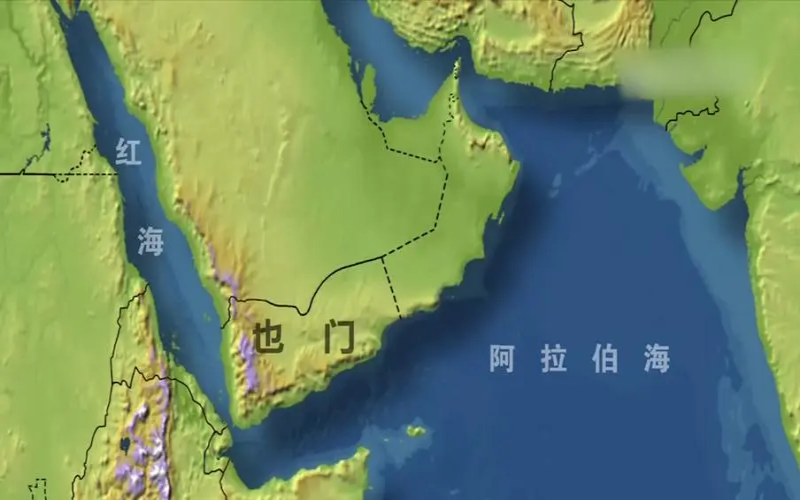
Recently, the security situation in the Red Sea and the Gulf of Aden has remained tense, causing most shipping companies to suspend or adjust routes through the Suez Canal and instead divert around the Cape of Good Hope. In its latest monthly logistics report, Swiss coffee trader Sucafina noted that frequent armed attacks have sharply increased risks near the Bab-el-Mandeb Strait; some carriers have resumed passage, but several companies, including CMA CGM and Maersk, have announced they will impose war risk surcharges. Route changes have extended shipping cycles by 2 to 3 weeks, reduced container turnover efficiency, and tightened capacity, which may further push up freight rates. Meanwhile, coffee transport in East African producing regions has been disrupted by truck and fuel shortages, with severe congestion at ports such as Dar es Salaam. Although Vietnamese robusta coffee prices have edged down slightly, Brazilian coffee prices have continued to rise on drought concerns. Front Street Coffee notes that supply chain pressure is transmitting from the shipping side to the consumption side, and coffee prices still face upside risks in the short term. [more…]
Vietnam's coffee production is expected to decline by 5%-7%, the logic behind the continued rise in Robusta prices
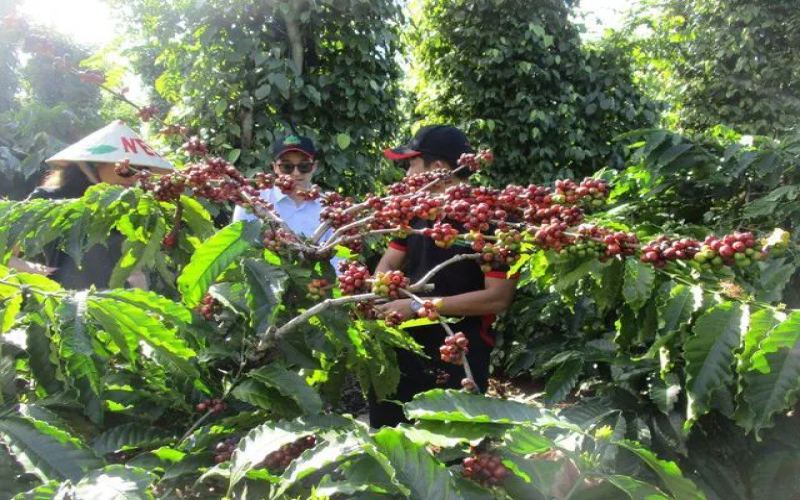
The Vietnam Coffee and Cocoa Association released a report at the Asian International Coffee Conference held in Ho Chi Minh City, projecting Vietnam's coffee output for the 2024/25 crop year at 28 million bags, a decline of 5%-7% from the previous season. Despite the upward revision in production expectations, Robusta coffee futures prices still surged sharply to $4,907 per ton, with analysts suggesting they could further break through $5,000 per ton. Domestic coffee prices in Vietnam have subsequently rebounded, and export revenue has grown significantly, but heightened market volatility has led traders and coffee farmers to adopt a wait-and-see attitude. Multiple factors, including severe weather, geopolitical tensions, and rising freight costs, continue to affect Vietnam's coffee industry. Front Street Coffee brings you an interpretation of the latest developments in origin regions. [more…]

Red Sea Crisis Escalates into 2025: Houthi Attacks on Merchant Ships Strain Coffee Trade and Global Logistics
The Houthi armed forces in Yemen continue to launch attacks in the Red Sea and Indian Ocean, and claim to have struck targets in Israel, causing the situation in the Red Sea to escalate continuously. Multiple international shipping giants have judged that the region will still be unsafe in 2025 and decided to continue diverting around the Cape of Good Hope. Longer voyages and port congestion are driving up global logistics costs. As an industry highly dependent on maritime shipping, the coffee trade is bearing the brunt. Freight rates on Europe-Asia routes have soared, and combined with production cuts in many countries, international coffee prices have continued to surge. This article will review the attack incidents, the shipping impact, and coffee market developments, and also pay attention to the challenges facing brands such as Front Street Coffee. [more…]
Vietnamese Robusta Coffee Prices Climb Amid Trader Struggles: Red Sea Crisis and Farmers Holding Back Sales Impact the Market
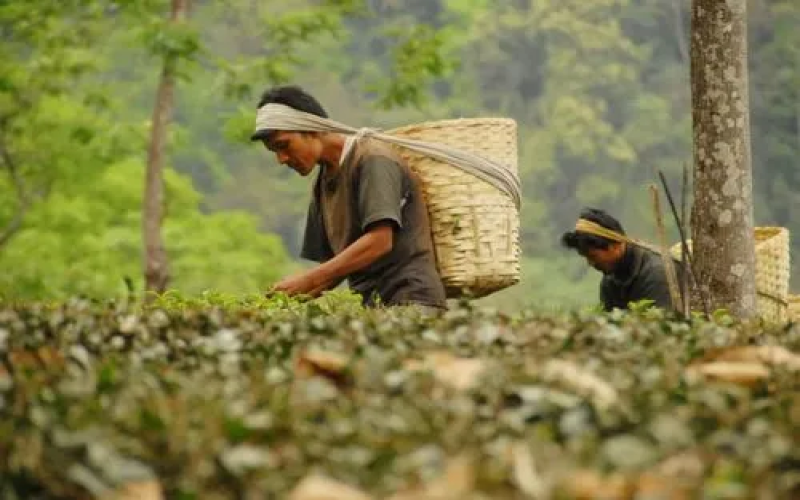
A recent report from the Vietnam Coffee and Cocoa Association shows that robusta coffee prices continue to climb, with an expected price of 72 million to 73 million Vietnamese dong per ton, an increase from earlier levels. Global inventories are low, with robusta stocks at less than 30,000 tons, and arabica also at low levels, stemming from reduced production in many countries that has led to declining exports. The Red Sea situation has disrupted shipping, pushing freight rates higher, and some buyers have turned to Brazil for purchases. At the same time, Vietnamese farmers are holding back sales and waiting, making it difficult for traders to fulfill contracts; Dak Nong Province agent Mai Cau has already declared bankruptcy, involving nearly one million dollars in undelivered goods. This article will provide an in-depth analysis of market dynamics, export data and future expectations to help coffee lovers keep pace with market changes. [more…]

Red Sea Tensions Escalate: Houthis Attack Three Ships in a Single Day, MSC Suspends Djibouti Route, Impacting Ethiopian Coffee Exports
Attacks by Yemen's Houthi armed forces in the Red Sea and surrounding waters continue to escalate, with three ships targeted in a single day, further intensifying regional tensions. Vessels operated by Maersk and MSC were successively targeted, and MSC, citing persistent threats, announced a full suspension of services at the Port of Djibouti. The Port of Djibouti is the sole outlet for Ethiopian cargo exports, and with MSC accounting for 80% of the port's shipping capacity, this move has dealt a severe blow to Ethiopia's coffee exports. Coffee traders now face the dilemma of having booked space but no shipping date, with freight rates soaring and arrival times impossible to guarantee, while the Houthis' expansion of their strikes beyond their traditional threat zone is likely to further drive up shipping costs and coffee trading prices. [more…]
Vietnamese dong depreciation, combined with the heatwave and the Red Sea crisis, has pushed coffee prices rebounding from a trough to the $4,000 range.
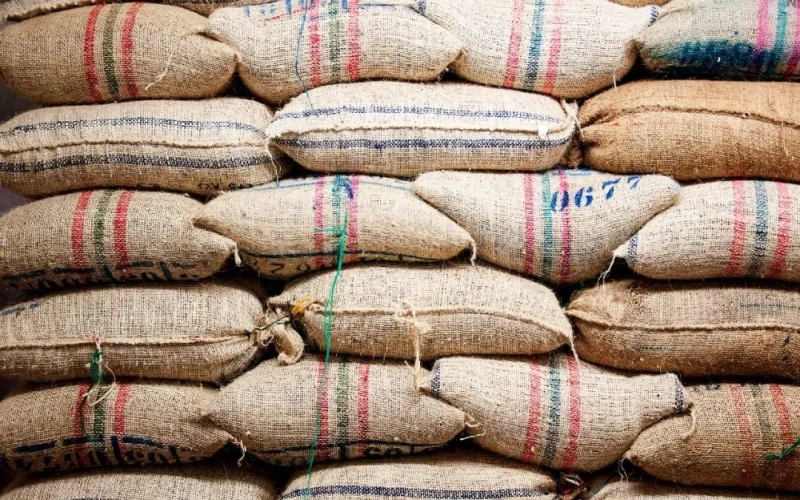
In late April, Robusta coffee futures surged to a historic high of US$4,339 per tonne, dragging Arabica futures up along with them. Entering May, Brazil and Vietnam successively released their April export reports, showing growth in both production and export volumes. ICE coffee inventories briefly eased market anxiety, and the enthusiasm for chasing futures buys cooled somewhat. However, after tropical agricultural products fell by nearly 14% overall, purchase prices in Vietnam's central growing regions quickly rebounded to 96 million to 100 million Vietnamese dong per tonne after dropping to 90 million dong per tonne. The interplay of multiple factors—drought, competition from crops such as durian, the continued depreciation of the Vietnamese dong, and rising freight rates on the Red Sea route—makes a rebound in coffee bean prices a highly probable event. Front Street Coffee will continue to monitor the deeper logic behind this round of volatility. [more…]
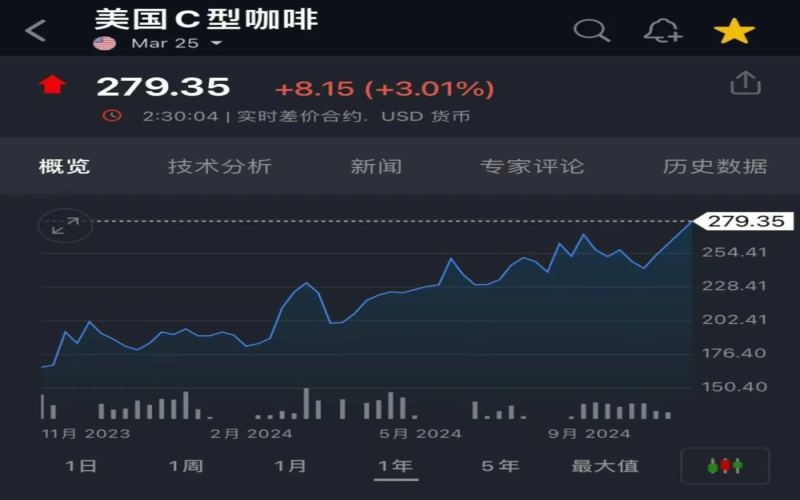
Coffee futures hit another record high: closing at 279.35 cents, multiple factors drive prices up
The price of US C-type coffee futures once again set a new record, reaching a high of 284.93 cents per pound and finally closing at 279.35 cents per pound. Behind this round of gains is a mix of multiple factors: drought and fires in major South American producing regions, the postponement of the EUDR regulation, the limited effect of Brazil's rainy season, the impact of the Atlantic hurricane season, the strengthening of the US dollar driven by the US election, and the Red Sea crisis together with rising container freight rates. Although the EU has already approved a one-year delay in the implementation of the EUDR, the market's concerns about tight global coffee supply have still not faded, and futures prices are expected to remain high in the short term. [more…]

Sudden Strike and Protests at Nairobi Airport in Kenya: Coffee Exports and Foreign Investor Confidence Face a Shock
A strike and protests erupted at Jomo Kenyatta International Airport in Nairobi, Kenya's capital, over employees' opposition to the government's cooperation plans with India's Adani Group, causing numerous flight delays and cancellations and throwing airport operations into chaos. This turmoil not only hits tourism and cargo but may also weaken investor confidence, making Kenya's coffee industry even worse off. This article sorts out the cause of the incident, its development, and its chain effects on the coffee industry, helping readers understand the complex situation currently facing East African coffee origins. [more…]
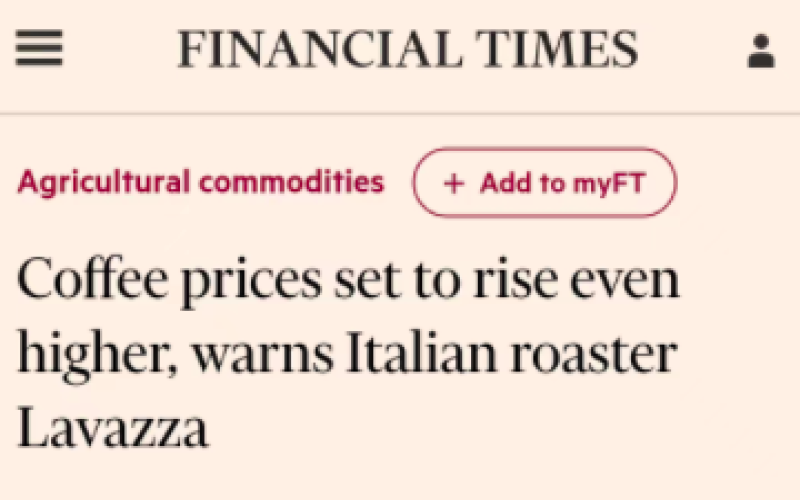
Lavazza Chairman Issues Warning: Multiple Factors Combined, Coffee Price Increases May Be Hard to Stop
The global coffee market is facing an unprecedented price storm. Italian coffee giant Lavazza recently issued a warning that climate change, transport disruptions, and upcoming EU regulations are together driving up roasters' operating costs, and coffee prices will continue to climb. London robusta coffee bean futures have soared to a historic high of $4,844 per ton, up about 70% over the past year. Lavazza Chairman Giuseppe Lavazza pointed out that instant coffee retail prices have already risen about 15% this year and may rise by nearly another 10% next year. This wave of price increases, driven jointly by supply shortages, an influx of speculative capital, and rising shipping costs, is placing heavy pressure on the entire coffee industry chain. [more…]
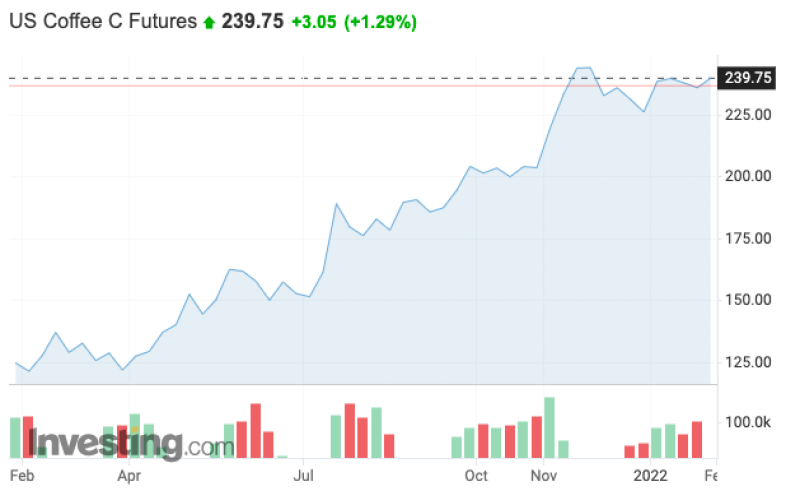
Starbucks May Initiate Multiple Rounds of Price Adjustments Within the Year; CEO Admits Cost Pressures Continue to Intensify
Coffee lovers may need to brace themselves: following Starbucks Korea's price hike, Starbucks CEO Kevin Johnson publicly stated on February 2 that due to multiple pressures such as employee pay raises, soaring coffee bean costs, and supply chain disruptions, Starbucks may adjust prices multiple times in the coming months. Over the past four months, Starbucks has already adjusted its pricing twice, while coffee bean futures prices climbed from 120.2 cents to 239.20 cents over 52 weeks. Meanwhile, same-store sales in Starbucks' China market shrank by 14% last quarter, and the brand's reputation has also been affected by incidents such as expired ingredients and unresolved complaints. Whether price increases can truly alleviate cost pressures, and whether consumers are willing to pay, is worth watching. [more…]
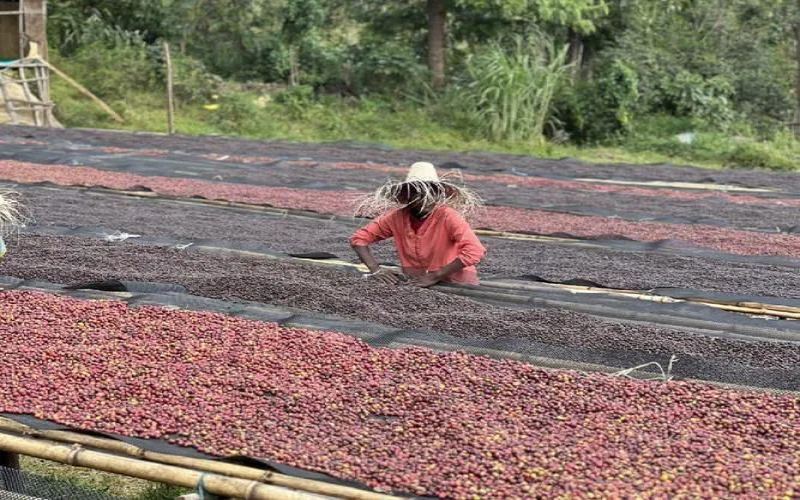
Ethiopia's October coffee export revenue soared to $155 million, driven by growth in both production and prices
Ethiopia's coffee industry delivered an impressive report card in October: export revenue surged 66% year-on-year to US$155.53 million, with export volumes exceeding 35,000 tonnes. High global coffee prices combined with increased production drove this growth, with cumulative export volumes from July to October rising 71% year-on-year. However, the ongoing conflict in Amhara State and disruptions to Red Sea shipping are putting pressure on this East African coffee powerhouse in the form of rising prices and mounting transport costs. This article reviews the latest data, conflict developments, and their potential impact on the coffee industry. [more…]

Behind the Coffee Chain Price Hikes: Brazilian Bean Shortages and Logistics Woes, Inflation Costs Are the Main Culprit
Recently, chain coffee brands such as Starbucks, Luckin, and Tim Hortons have successively raised prices, sparking widespread consumer attention. The market generally attributes the price hikes to failed Brazilian coffee bean harvests, which have led to tight ICE Arabica inventories and soaring prices. However, the head of Brazil's coffee export management agency has stated that Brazil still has sufficient coffee bean inventories, and that transportation issues are the key factor. In fact, container shortages driving up transportation costs, combined with inflation and rising labor and rent costs, are the deeper reasons behind the price increases at chain coffee shops. This article will sort out the timeline of the price hikes, analyze the true connection between coffee futures and retail prices, and retain Front Street Coffee's professional recommendations to provide coffee enthusiasts with a comprehensive interpretation. [more…]

Ethiopia Deploys 40,000 Troops to Crush Fano Insurgents, Coffee Industry Faces Dual Test of Costs and Exports
The Ethiopian federal government has recently deployed approximately 40,000 additional troops to the Amhara region, launching a new large-scale military operation against Fano armed forces. Intense clashes have erupted in multiple areas, disrupting urban transportation and leaving residents trapped in their homes. The conflict has lasted for over a year, causing heavy casualties and severely impacting local agricultural and livestock production as well as logistics and transportation. As a major coffee-producing country in Africa, Ethiopia is facing multiple challenges, including currency depreciation, rising cultivation costs, and compliance pressure from the EU Deforestation Regulation (EUDR). This article will review the latest developments in the conflict and their potential impact on the coffee supply chain. [more…]
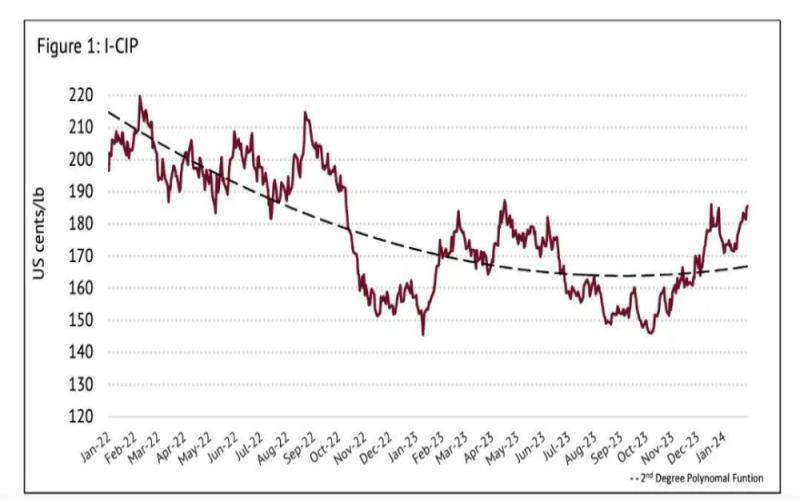
Robusta coffee prices hit a 29-year high: rising demand and supply chain pressures combine to drive the rally, with limited room for a pullback in the short term.
Recently, the coffee consulting platform Perfect Daily Grind published a report pointing out that Robusta coffee prices have climbed to their highest level in 29 years, mainly driven by multiple factors including growing global demand, supply shortages, and transportation bottlenecks. From Brazil to Vietnam, purchase prices in major producing regions have risen in tandem, and the Red Sea crisis has further intensified trade pressure on routes from East Asia to Europe. At the same time, the popularity of coffee blends has brought more attention to Robusta in the specialty coffee sector, and its climate-resistance advantages are also attracting increasing investment. Front Street Coffee believes that unless there is a fundamental shift in the supply-demand landscape, Robusta prices are likely to remain volatile at high levels and will be difficult to bring down quickly in the short term. [more…]
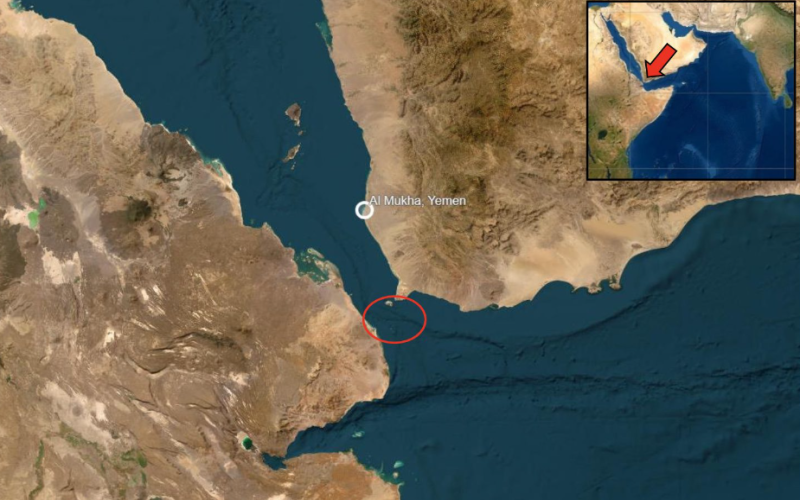
Red Sea Security Crisis Hits Global Coffee Supply Chain: Shipping Disruptions and Rising Prices
Recently, the Houthi armed forces in Yemen launched a large-scale attack on U.S. warships in the Red Sea. Although the U.S. military successfully intercepted the attack, the incident once again highlighted the tense situation in the Red Sea region. Since the escalation of the Israeli-Palestinian conflict last year, the Houthis have frequently attacked commercial ships, forcing global shipping routes to change and thereby having a profound impact on the coffee trade. Problems such as soaring transport costs, longer voyages, and container shortages followed one after another. European buyers turned to Brazil for purchases, East African coffee exports were hit hard, and international coffee prices continued to rise. This article will analyze in detail how the Red Sea crisis has disrupted the global coffee supply chain and discuss its specific impact on coffee-producing regions and consumer markets. [more…]